Aluminum, Lexan & Acrylic Sign Panels
Rigid sign panels in aluminium, aluminium composite, wood, Lexan and acrylic — digitally printed, laminated and cut to any size or shape. The signs that are too heavy to ship and too important to skimp on.
- In business since 1976
- Locally owned
- Cut & printed in house
- Aluminium, wood, acrylic, Lexan
- Four counties served
The signs the internet cannot ship you
There is a reason the national online sign companies push corrugated plastic so hard: it is light, it stacks flat, and it posts cheaply. Ask one of them for a 4×8 aluminium panel and you will usually find it is not offered at all, or it is local collection only — because freighting rigid sheet across the country costs more than the sign.
That is the whole opportunity. Aluminium sign panels in Rosenberg, TX are a local business by physics, and we have been making them here since 1976.
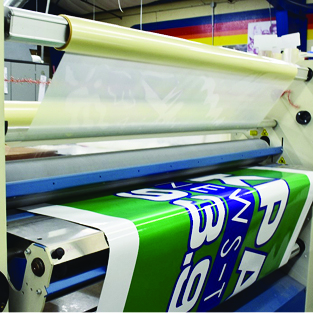
Every panel is digitally printed and laminated rather than flatbed UV direct, which is what decides whether it still reads after three Texas summers.
Substrates we panel

Solid Aluminium
.040 and heavier gauge. The long-life choice for anything exposed, hanging or expected to outlast the project.

Aluminium Composite
Aluminium skins over a solid core. Rigid, light for its size, and routs to any outline without oil-canning.
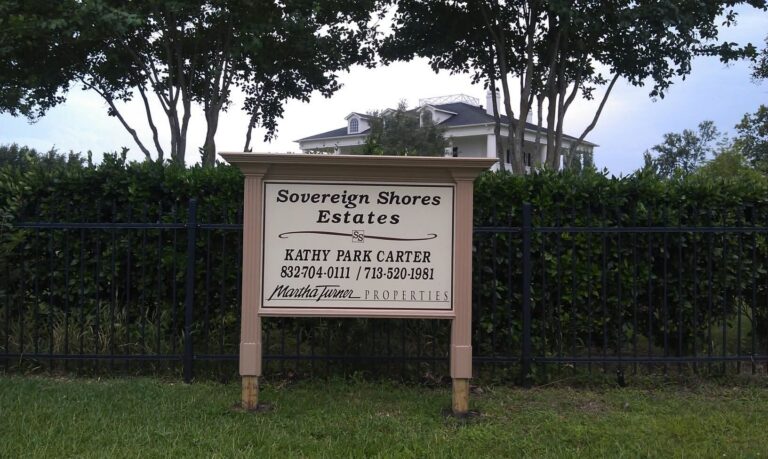
Wood
Routed, carved or printed. Ranch entrances, rustic frontage and anything wanting warmth over plastic.

Lexan & Polycarbonate
Impact resistant where breakage is a real risk. Used for faces, guards and exposed installations.
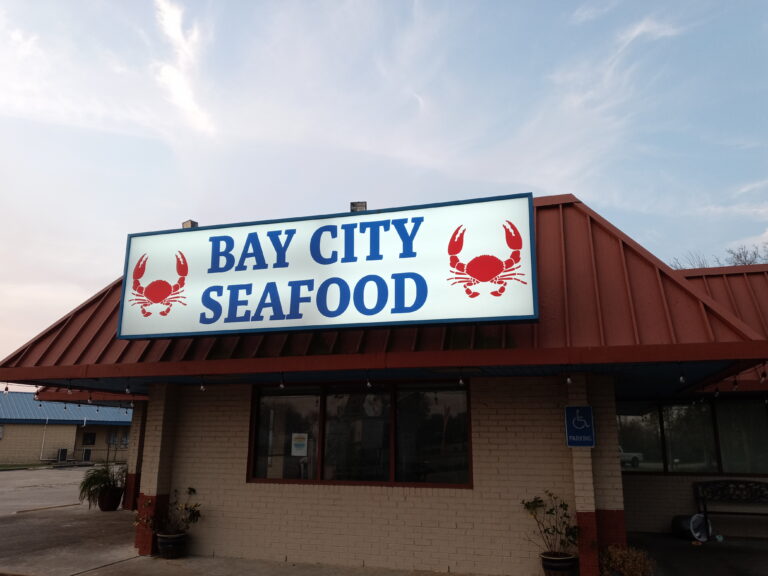
Acrylic & Plexiglass
Clear, frosted, coloured or mirrored, laser cut to a polished edge. See CNC and laser cutting.
Corrugated Plastic
The short-term budget option. We still make them — but for anything staying up beyond a season, the substrates above are better value.
Choosing a substrate
Almost every disappointing sign is a substrate chosen on price alone. Three questions settle it: how long, how exposed, and does it need to survive being hit.
Aluminium & composite
- Multi-year outdoor installations
- Will not warp, sag or delaminate
- Takes grommets for hanging
- The default for anything permanent
Wood, Lexan, acrylic
- Wood for warmth, depth and carving
- Lexan where breakage is a genuine risk
- Acrylic for polished edges and interiors
- Each cut to shape rather than rectangles
Corrugated plastic
- Genuinely temporary work only
- Lightest and cheapest per panel
- Flutes show and edges soften over time
- We make them — we just will not oversell them
Printed and laminated, not UV direct
Most panel work in this region is flatbed UV direct: ink cured straight onto the surface, no protective layer. It is faster and cheaper and it fades. On a south-facing panel in open country it can go visibly chalky inside two summers.
We print digitally and laminate over the ink. That clear layer takes the UV, resists scuffing during install and handles the humidity that lifts unprotected edges along the Gulf Coast.
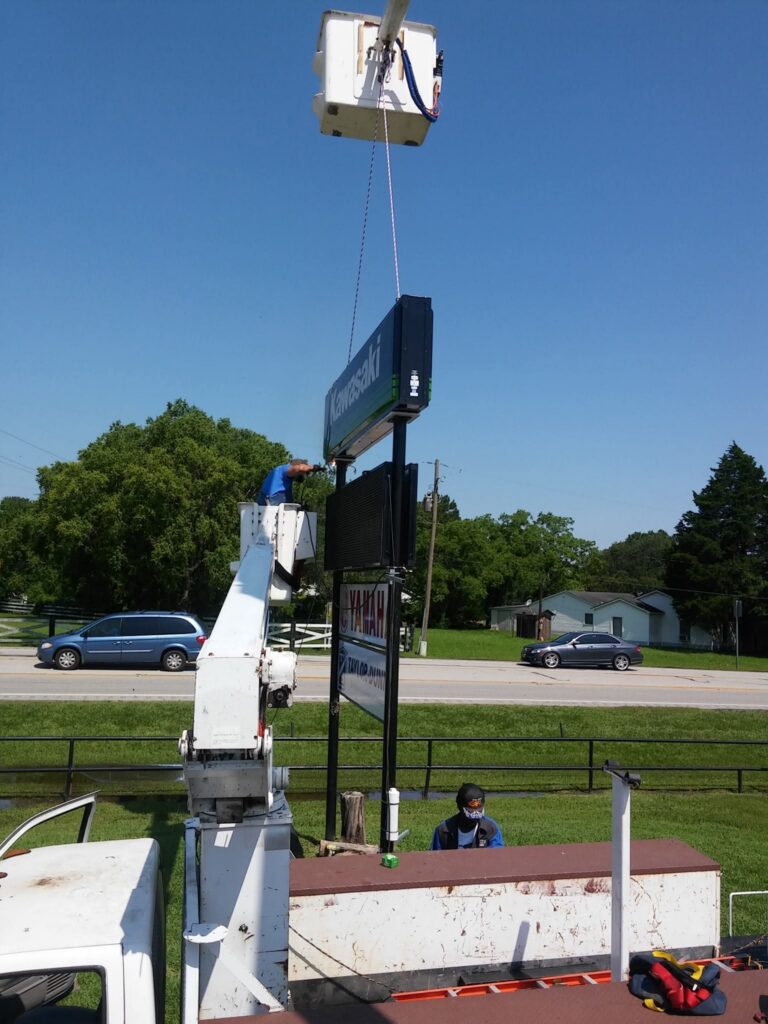
Panels are cut to any size and, on the router, to any outline. Grommets, standoffs, post channels, cleats or frames as the mounting needs.
How a panel order runs
Where and how long
Exposure and lifespan decide the substrate before anything else is discussed.
Size and shape
Cut to any dimension. Shaped outlines routed rather than trimmed square.
Print & laminate
Digitally printed, laminated, then mounted to the chosen substrate.
Mount or collect
Grommets, standoffs, posts or frames fitted. Collected from Rosenberg or installed.
Panels across four counties
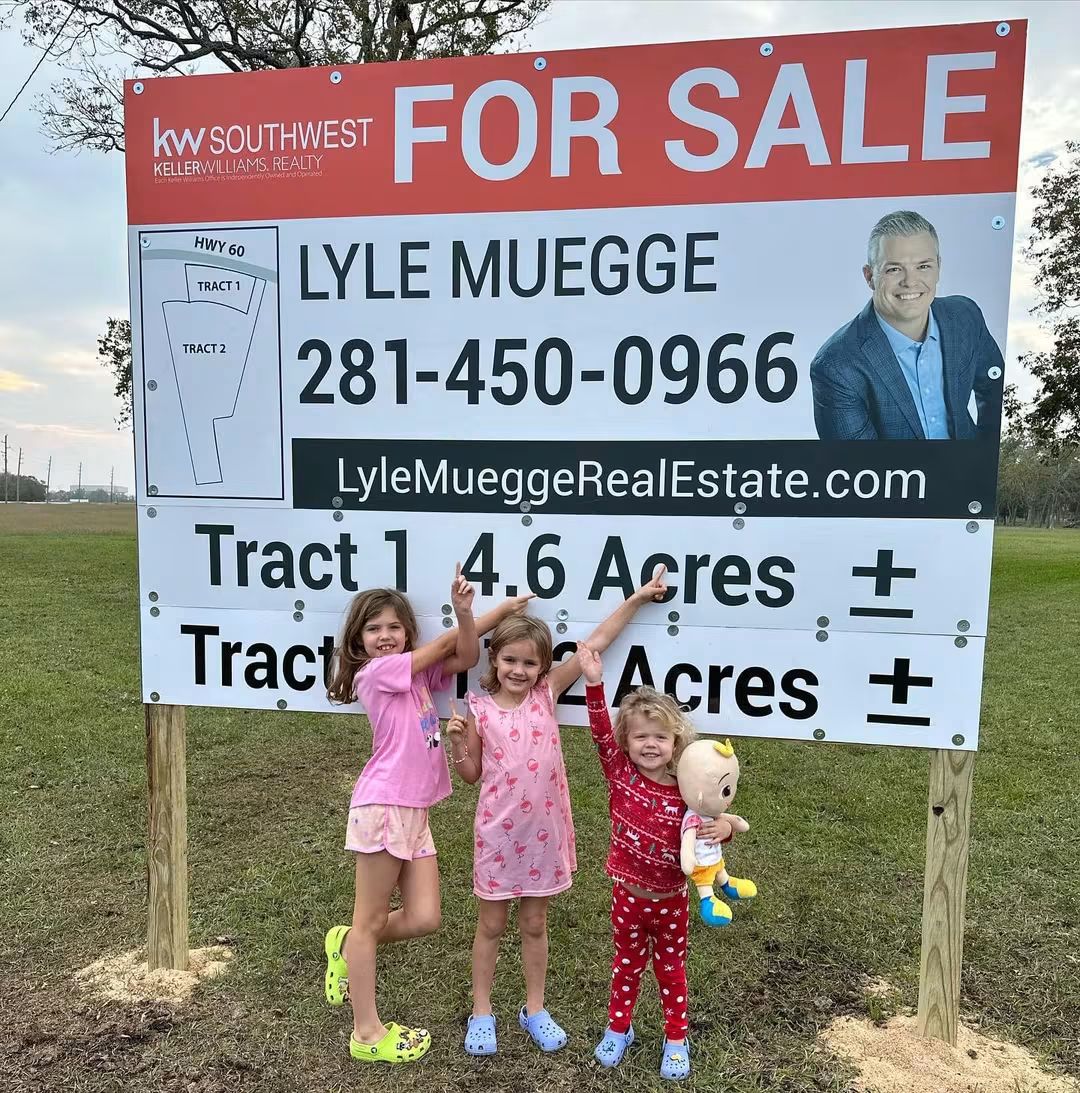
Job site boards through Katy, Richmond and Fulshear, commercial listing panels across Sugar Land and Missouri City, ranch and gate signs out through Wharton, El Campo and Bay City. Rigid panels are heavy, awkward and often need installing — which is exactly why they are worth buying from twenty minutes away rather than from a warehouse three states over.
See also post and panel signs, commercial real estate signs and construction signage.
CNC routed & laser cut
We run both a router and a laser, which means shapes, letters and panels are cut here rather than ordered in. Acrylic takes a polished edge off the laser; the router handles wood, aluminium composite and PVC with depth and dimension.
Common questions
Why buy aluminium panels locally instead of online?
Freight. Rigid sheet is heavy and awkward, and shipping it across the country often costs more than the panel — which is why national sign sites push corrugated plastic and frequently list large aluminium as local collection only. Twenty minutes away, it is simply a normal order.
How long will an aluminium panel last outdoors here?
The substrate will outlast the graphic comfortably — often a decade or more. What fails is the print, and a laminated digital print typically holds colour for several years in this climate against under a year for unlaminated UV direct work.
What is aluminium composite and when should I use it?
Two thin aluminium skins bonded to a solid core. It is rigid, lighter than solid aluminium for its size, will not oil-can on large faces, and routs cleanly to any outline. It is the workhorse for larger panels and shaped signs.
Do you still make corrugated plastic signs?
Yes, and we will make them when the job is genuinely short term. We just will not recommend them for anything staying up beyond a season, because the value is not there.
Can panels be cut to a shape rather than a rectangle?
Yes. The router cuts composite, PVC, Lexan and wood to any outline, and the laser cuts acrylic to a polished edge. Send vector artwork and we will cut to it.
What sizes can you make?
Anything up to sheet size in one piece, with larger faces panelled and seamed. 4×8 and 4×4 are the most common for roadside work. Tell us the dimensions and we will tell you whether it seams and where.
Visit the shop
Intrepid Signs1700 Walger Ave, Ste E
Rosenberg, TX 77471
281-232-5262
info@intrepidsigns.com
Hours
Monday – Thursday: 9:00 AM – 5:00 PM
Friday – Sunday: Closed
Serving
Fort Bend, Brazoria, Wharton and Matagorda Counties.
Need a panel that lasts?
Tell us where it goes, how long it stays and how exposed it is. That decides the substrate, and the substrate decides everything else.