Custom Wood & Routed Signs
Carved and routed entrance signs, business signage and dimensional lettering in timber and HDU — cut at depth on our own router and finished in house. Serving Fort Bend, Brazoria, Wharton and Matagorda Counties.
- In business since 1976
- Locally owned
- Routed & carved in house
- Timber and HDU
- Finished here, not sent out
Depth you cannot print
There are jobs where a flat printed panel is simply the wrong answer. A ranch entrance, a law office, a winery, a church, a farmhouse retail frontage — these want something with carved depth and shadow, and no amount of print quality substitutes for it.
We route and carve custom wood signs in Rosenberg, TX on our CNC router, cutting at varying depths to produce genuine dimension rather than a printed imitation of it.
We will also tell you honestly when wood is the wrong material for your site, and what to use instead. That conversation saves people money more often than it costs us a sale.
What we make in wood

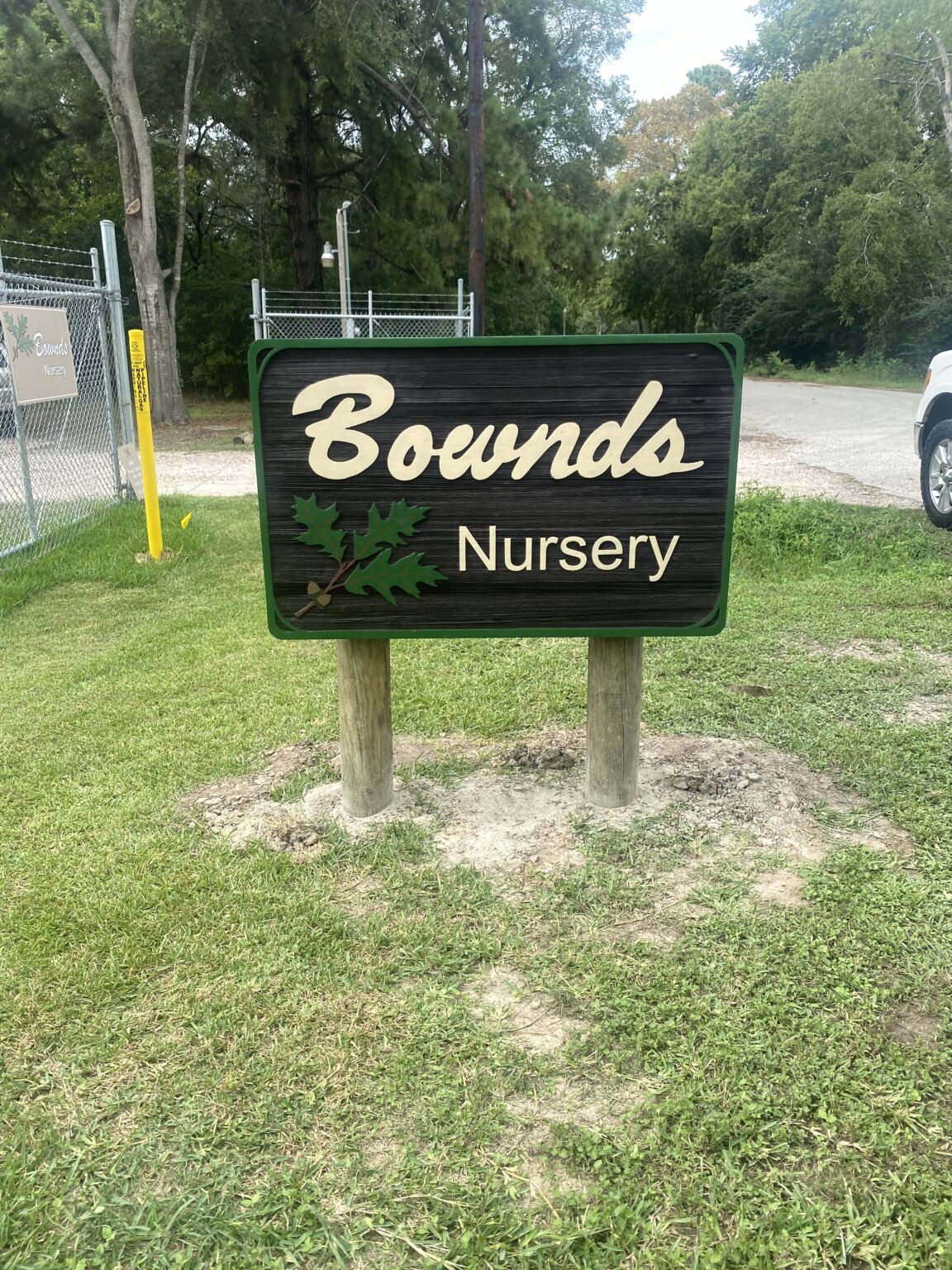
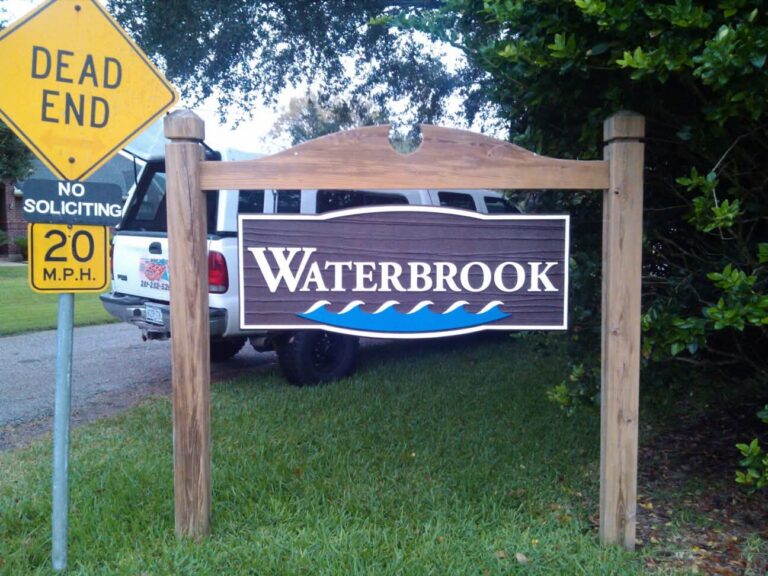
Ranch & Gate Entrance Signs
Hanging and post-mounted entrance signs for ranches, farms and rural property. Carved deep enough to read against a bright sky.
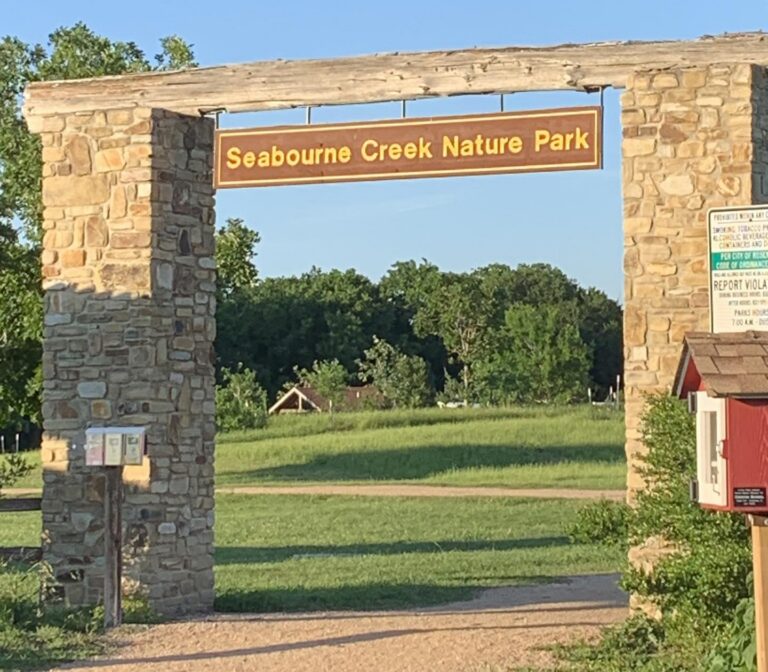
Carved Business Signs
Storefront and building signage for businesses wanting character over plastic. Professional offices, wineries, restaurants.
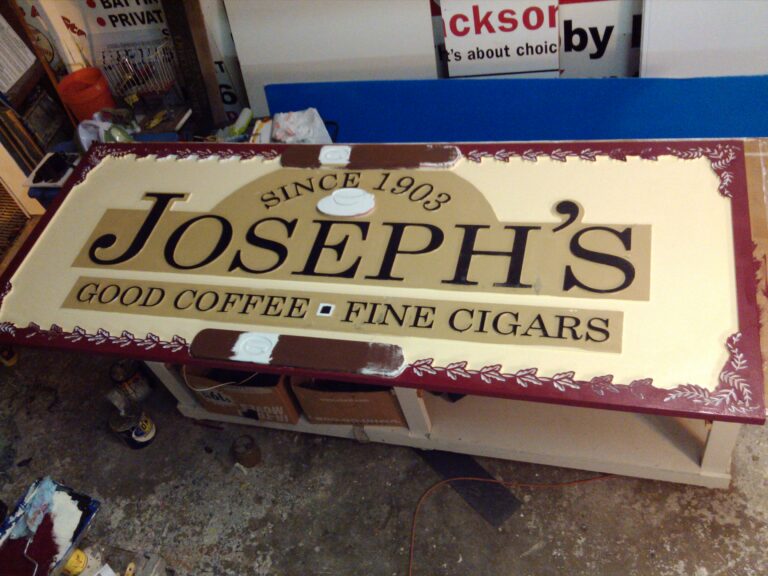
Dimensional Lettering
Individual letters cut and finished, mounted flush or on stand-offs. See CNC and laser cutting.
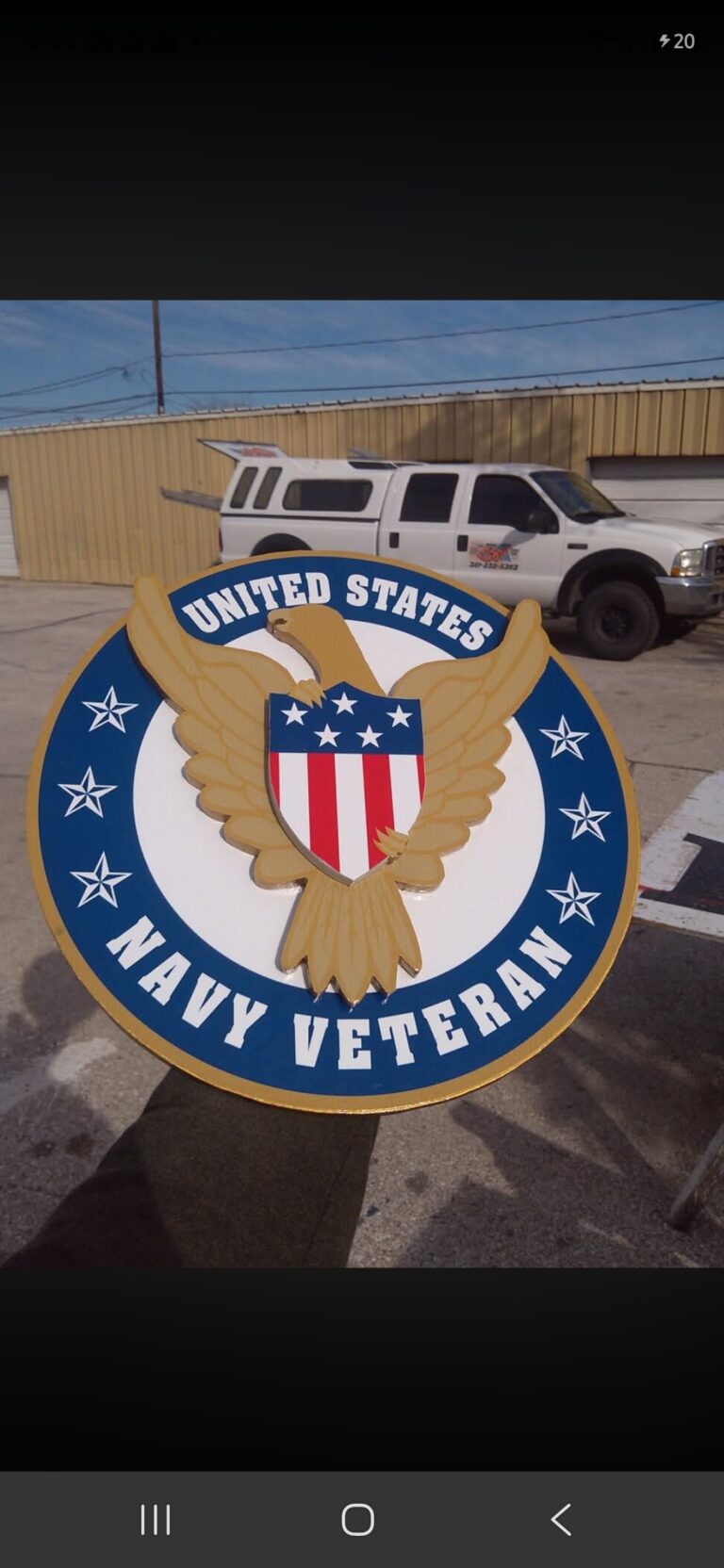
HDU & Sandblast Look
High density urethane carved to look like sandblasted wood — without the rot, splitting or insect damage.
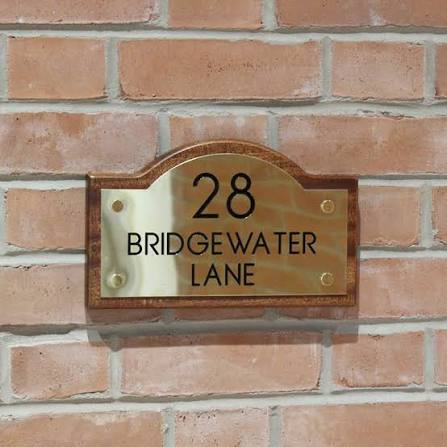
Plaques & Recognition Boards
Dedication plaques, donor boards and memorial signage for churches, schools and civic buildings.
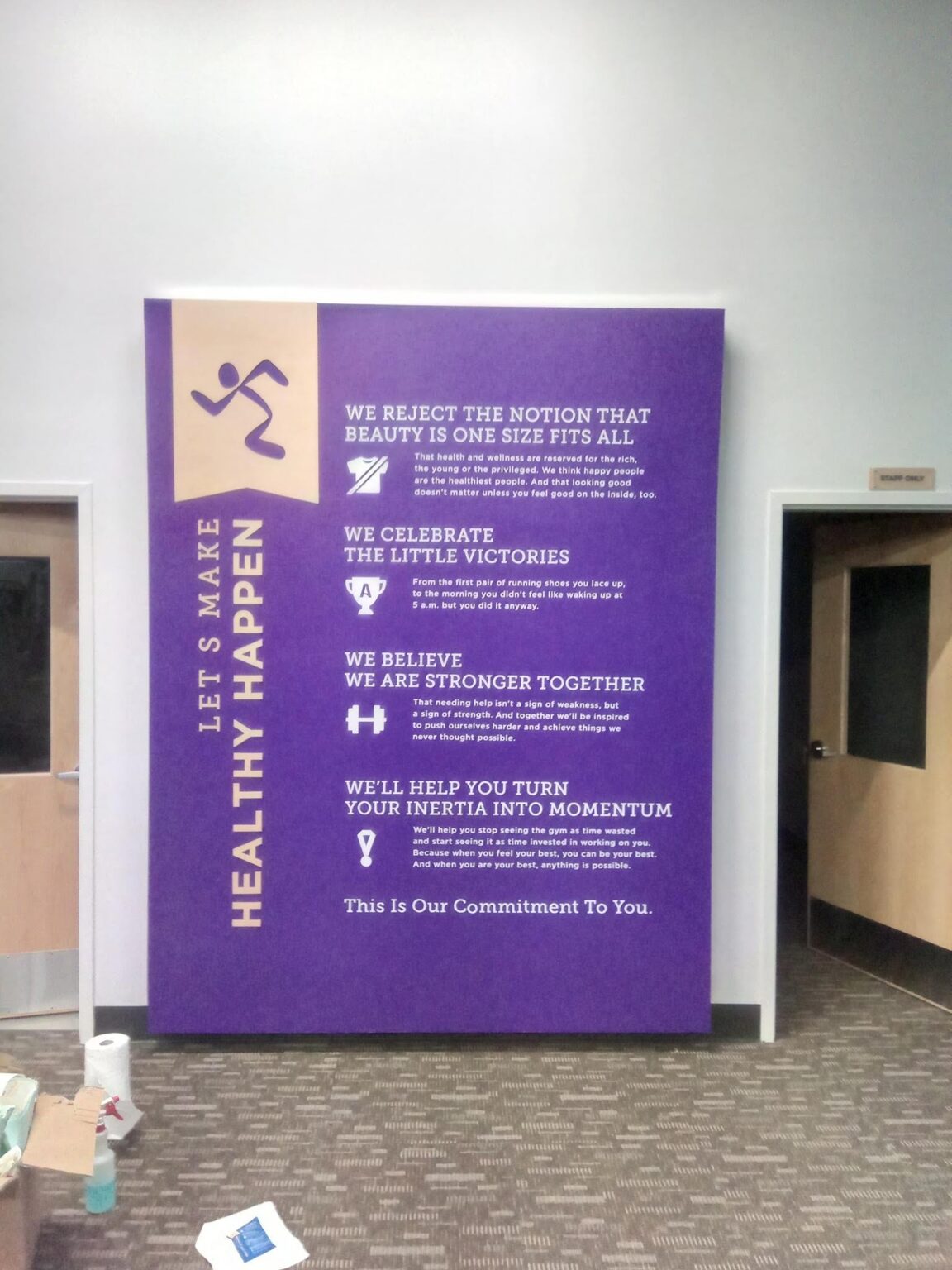
Interior & Rustic Retail
Feature signage and interior lettering for spaces where the material is part of the brand.
Real wood or HDU — the honest comparison
Most carved signs people admire on the Gulf Coast are not wood at all. It is worth knowing why before you choose, because outdoors here the difference shows up within a few years.
HDU (high density urethane)
- Carves identically — same depth, same shadow
- Does not rot, split, warp or attract insects
- Indifferent to Gulf Coast humidity
- Holds paint far longer than timber
- What most “wood” signs you admire actually are
Real timber
- Genuine grain, weight and smell
- Right where authenticity is the point
- Excellent indoors and under cover
- Outdoors it needs sealing and maintenance
- Will move and check with the seasons
If the sign lives outside, unshaded, on the Gulf Coast, we will usually steer you to HDU and explain why. If you want real timber anyway, we will build it — and tell you what maintenance it will need.
Carving is a depth decision
The router cuts at varying depths, which is what creates the shadow line that makes a carved sign readable from a distance. Shallow engraving looks flat by mid-afternoon. Deep relief holds its contrast all day.
Depth costs machine time, so it is worth deciding deliberately rather than by default. A ranch entrance read from a county road wants real depth. An interior plaque read from three feet does not.
Finishing matters as much as cutting: paint fill in the carved areas, gilded or metallic lettering, stained or sealed surfaces. We finish here rather than sending it out.
How a carved sign runs
Material and site
Indoors, under cover or full exposure. That decides timber or HDU before anything is drawn.
Artwork and depth
Vector artwork, and a deliberate decision on carve depth based on viewing distance.
Route and carve
Cut on the router at varying depths to produce genuine relief and shadow.
Finish and install
Painted, filled, stained or gilded here, then installed across the four counties.
Carved work across four counties
Ranch and gate entrances are the steadiest carved work we do, out through Wharton, El Campo, Bay City and the rural stretches of Fort Bend and Brazoria — property that has been in a family a long time and wants signage that reads that way.
Closer in, it is professional offices, churches and independent businesses through Richmond, Rosenberg, Fulshear and Needville choosing carved work over printed plastic. See also monument signs and storefront signs.
CNC routed & laser cut
We run both a router and a laser, which means shapes, letters and panels are cut here rather than ordered in. Acrylic takes a polished edge off the laser; the router handles wood, aluminium composite and PVC with depth and dimension.
Common questions
Should I use real wood or HDU outdoors?
On the Gulf Coast, usually HDU. It carves identically and gives the same depth and shadow, but it does not rot, split, warp or attract insects, and it holds paint far longer. Most carved signs people admire around here are HDU rather than timber.
How long will a carved wood sign last outside?
Timber outdoors needs sealing and periodic maintenance, and it will move and check with the seasons regardless. HDU in the same position is essentially indifferent to humidity and will hold its finish for many years.
How deep can you carve?
Deep enough for genuine relief and shadow rather than surface engraving. Depth is a deliberate choice — a ranch entrance read from a county road wants considerably more than an interior plaque read from three feet.
Can you paint or gild the lettering?
Yes. Paint fill in carved areas, stained or sealed surfaces, and metallic or gilded lettering are all finished here rather than sent out.
What artwork do you need?
Vector files cut directly — .ai, .eps, .svg, .dxf or a PDF with live vectors. A logo supplied as a JPEG has no outline for the router to follow and needs redrawing first, which we quote separately.
Can you make a hanging ranch entrance sign?
Yes, and it is some of the most common carved work we do. Hanging and post-mounted entrance signs across the rural stretches of all four counties we serve.
Visit the shop
Intrepid Signs1700 Walger Ave, Ste E
Rosenberg, TX 77471
281-232-5262
info@intrepidsigns.com
Hours
Monday – Thursday: 9:00 AM – 5:00 PM
Friday – Sunday: Closed
Serving
Fort Bend, Brazoria, Wharton and Matagorda Counties.
Want something carved?
Tell us where it lives and how far away it gets read. That decides the material and the depth.